Co-Creation in Healthcare Contexts – Exploring the fundament for a novel methodological framework to sensitize for different contexts and multiperspectivity
Toolbox Project
Annina Gähwiler, PhD Candidate, Laurin Schaffner, Research Associate,
Alexandra Szewc, Research Associate, Lena Sauerzopf, Research Associate,
Patrick Ferrarelli, Lecturer, Nina Bruderer, Research Associate
Digital Health Design Lab
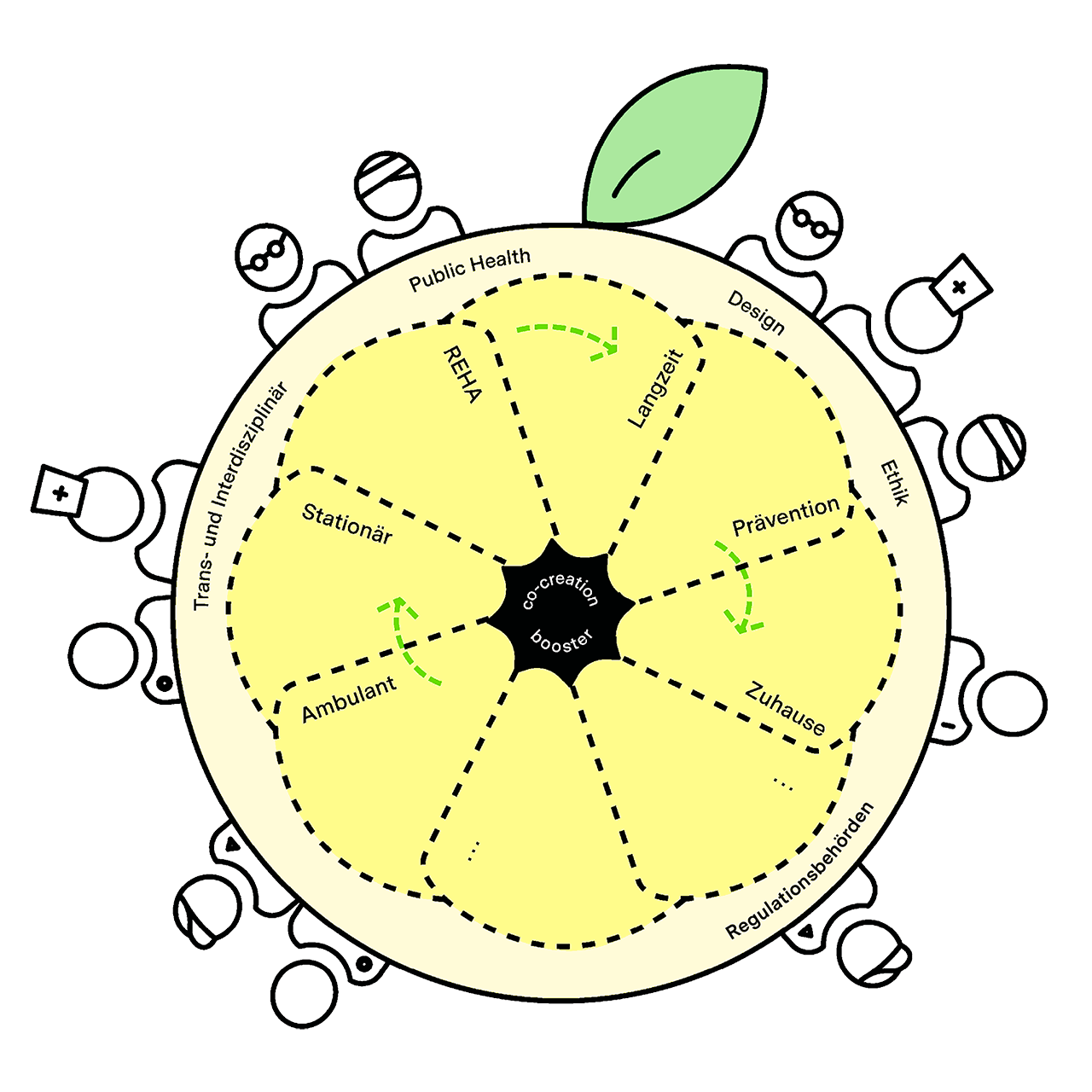
The project “Co-Creation in Healthcare Contexts” explores a theoretically sound and practice-oriented methodological framework for co-creation in healthcare and translates this into components of an “Impulse Box” with tools, methods, and case studies from the Digital Health Design Living Lab. It focuses on different healthcare contexts and stakeholder perspectives and uses qualitative, participatory research to derive context-sensitive principles and recommendations for the application of co-creation in research, education, and practice.
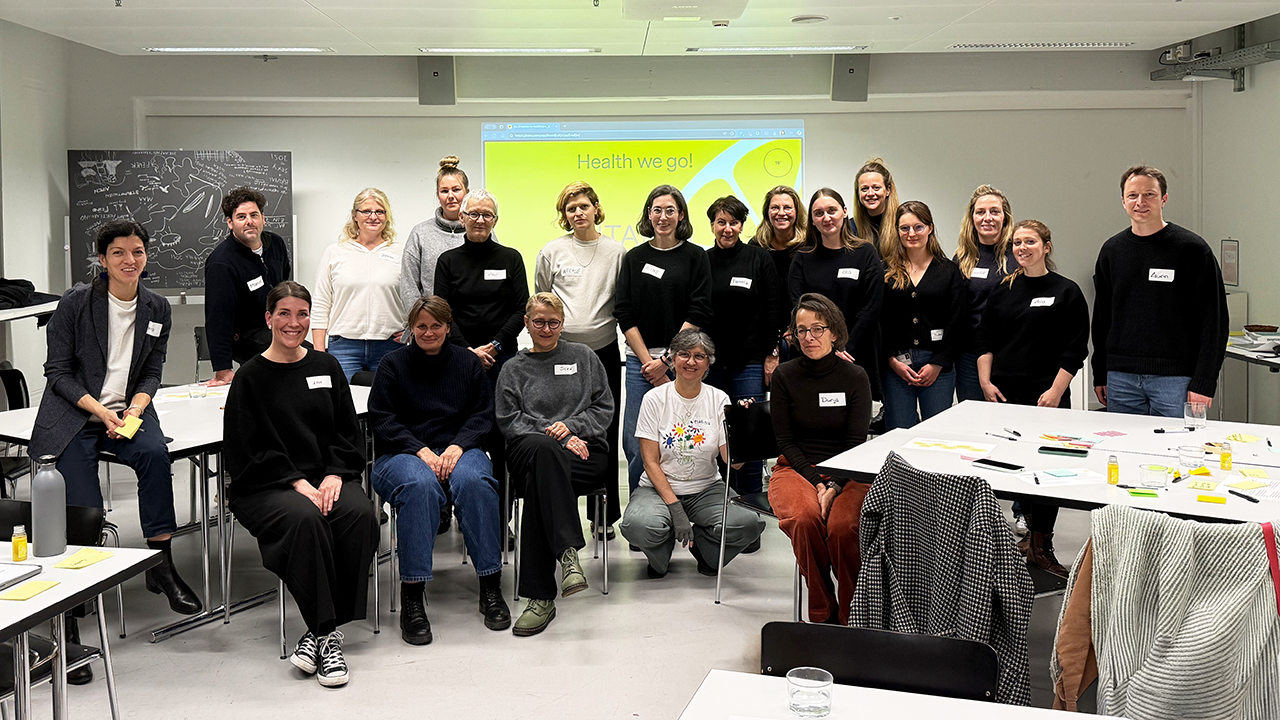
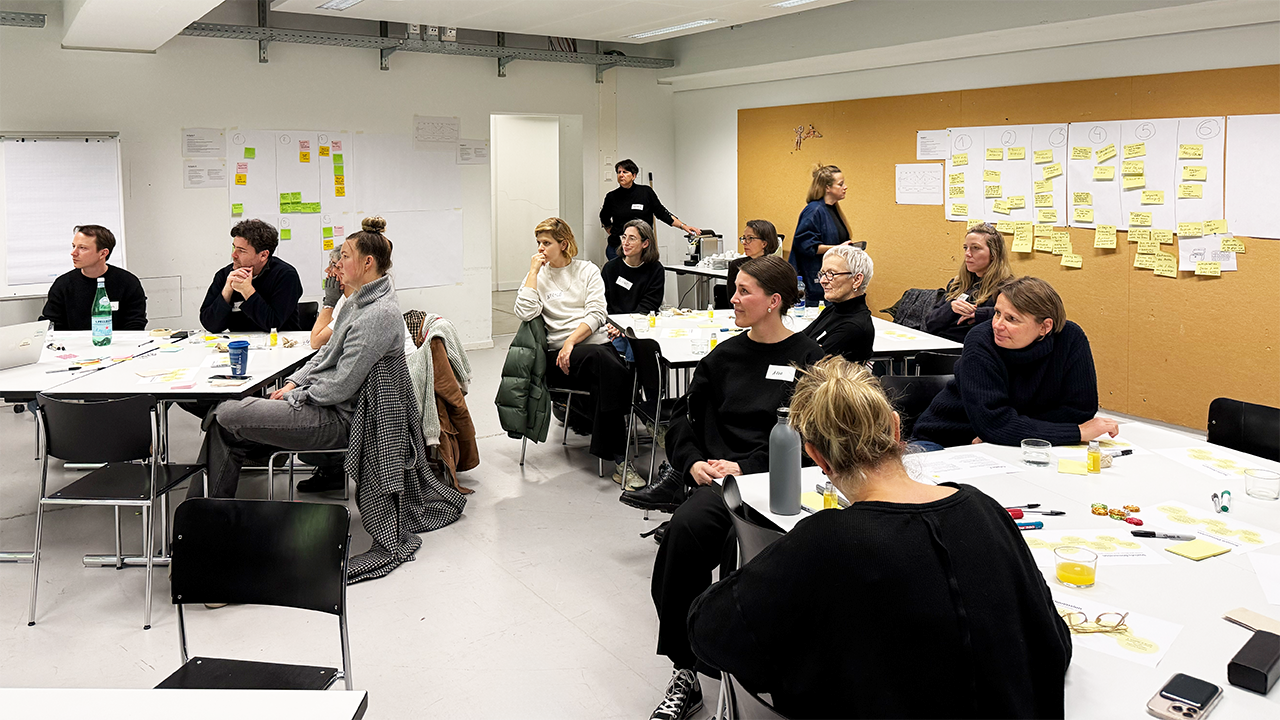
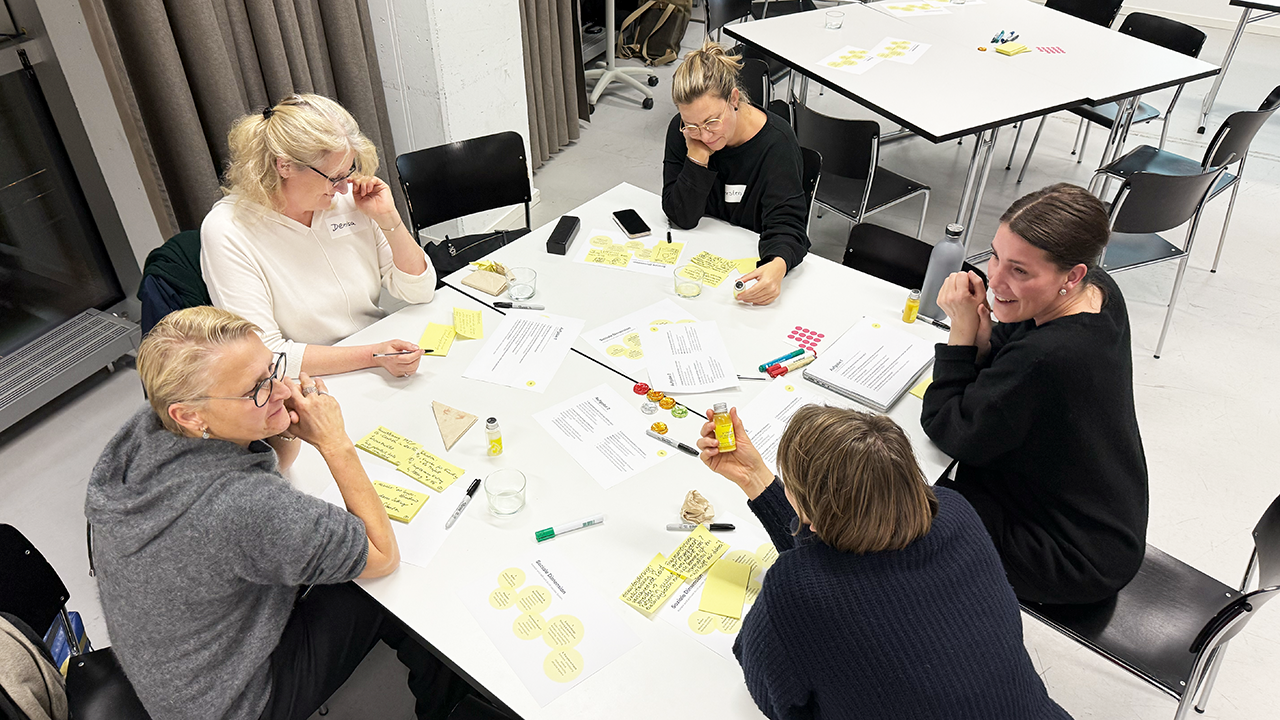
The project tackles the lack of a transferable, theoretically robust and practice-ready framework for co-creation in healthcare. It does this by systematically analysing diverse care contexts and stakeholder perspectives, mainly within the Digital Health Design Living Lab (DHDLL). It combines literature reviews, case analyses and three co-design workshops with health professionals, patients and other partners. These activities map context-specific prerequisites, challenges and principles of co-creation and iteratively draft, test and refine a methodological framework.
In parallel, the project designs and tests key components of an Impulse Box. This is a collection of context-sensitive methods, tools and case studies that offer varied entry points and step-by-step guidance for co-creation across in-person, hybrid and digital settings.
The expected outputs are a draft framework, practical recommendations and iteratively co-designed and critically reflected components for the Impulse Box. These results will support future large-scale validation, strengthen collaboration culture within the DHDLL and serve as a blueprint for further applications in health and other domains.